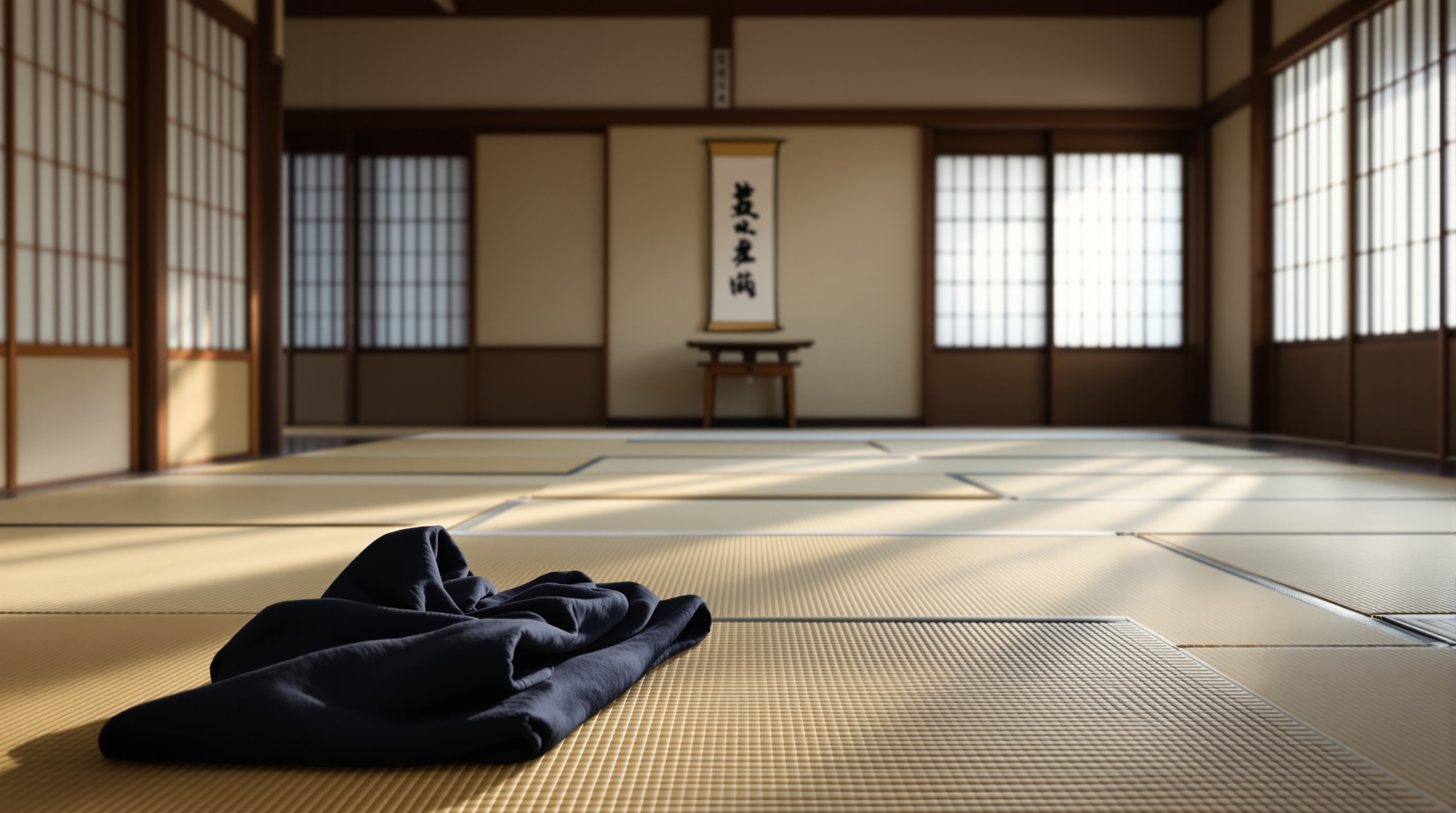
A martial art of harmony
The word aikido is written with three characters — ai (harmony, joining), ki (spirit, life energy, intention), and dō (way or path). Together they describe a discipline whose aim is not to clash with force but to unite with it and lead it safely to rest. Founded in the first half of the twentieth century, aikido grew out of older Japanese grappling and weapons traditions and was refined into a non-competitive practice for self-defense and personal cultivation.
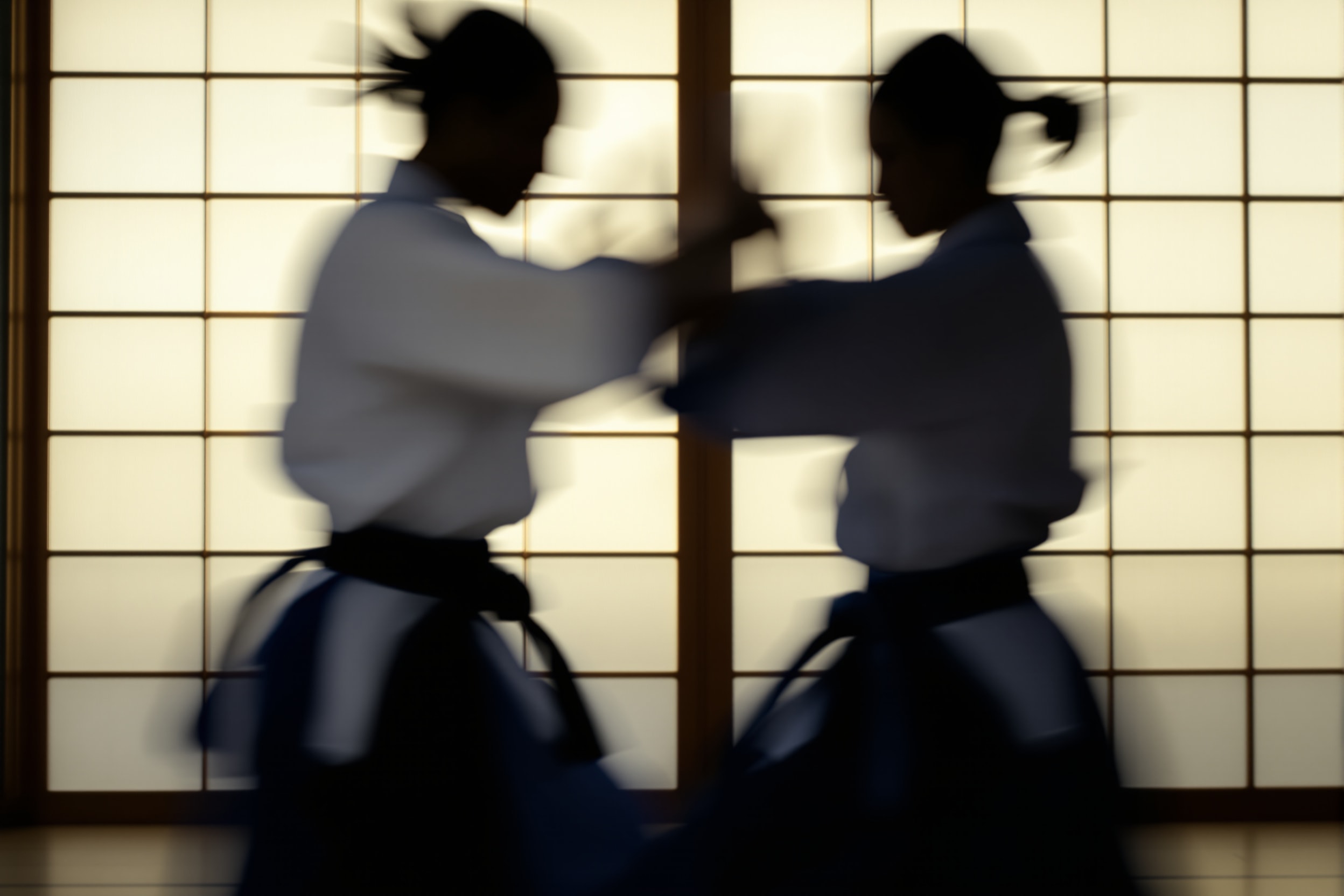
Rather than meeting an attack head-on, an aikido practitioner steps off the line of force, connects with the incoming motion, and turns it into a throw or a pin that neutralizes the threat without needing to injure. Because there are no tournaments and no winners, students are free to train cooperatively, taking turns as the one who applies a technique and the one who receives it. That cooperation is the engine of the art, and it is why aikido can be practiced for a lifetime.
What you will find here
This site collects the foundations a new or curious student most often looks for, written plainly and without jargon where possible. Start with what aikido is and the history of how it came to be, then read about the principles that shape every movement and the core techniques you will meet on the mat.
- Techniques — the throws, pins, and rolls that make up practice
- Weapons — the wooden sword, staff, and knife and what they teach
- Etiquette — the courtesy and safety customs of the training hall
- Folding the hakama and tying the belt — caring for your uniform
- Japanese terms, the grading system, and a beginner’s guide
Who practices aikido
One of aikido’s quiet strengths is how wide its doorway is. Because success does not depend on being the biggest or fastest person in the room, the art draws students of many ages, body types, and backgrounds — teenagers and retirees often train side by side. Some come for practical self-defense and stay for the philosophy; others arrive seeking calm and discover a demanding physical craft. There is no single “aikido type,” and that mix is part of what keeps a good dojo interesting.
What every student shares is the willingness to be a beginner. Progress in aikido is measured in years, not weeks, and the art asks for patience and a certain humility. In return it offers something durable: better balance and posture, a calmer response to pressure, and a body of skill that can be refined for as long as you care to practice. If that appeals to you, the getting-started guide explains how a first class actually works.
A practice measured in decades
Aikido is unusual in how long its practitioners keep going. Because the art rewards timing and structure over raw strength, many students train steadily into their sixties and beyond — the founder himself was still demonstrating in his eighties. What makes that longevity possible is ukemi: someone who can fall well can be thrown thousands of times without accumulating damage, which is why beginners spend their first months rolling rather than throwing. How you train in the early years decides how long you can keep training, and newcomers will find how to begin, and how to look after yourself while you do, set out in practical terms.
Training that outlasts the ego
Aikido is often described as a moving meditation. Its circular footwork, its emphasis on posture and breath, and its refusal to reward brute strength make it approachable for people of many ages and builds. The reward is not a trophy but a gradual change in how one meets pressure — on the mat and off it. For an overview of the art from an independent authority, see the Encyclopædia Britannica entry on aikido.
This is an independent educational resource about the martial art of aikido. It is not the official website of, and is not affiliated with or endorsed by, any dojo, federation, organization, teacher, or individual.