What to expect in your first class
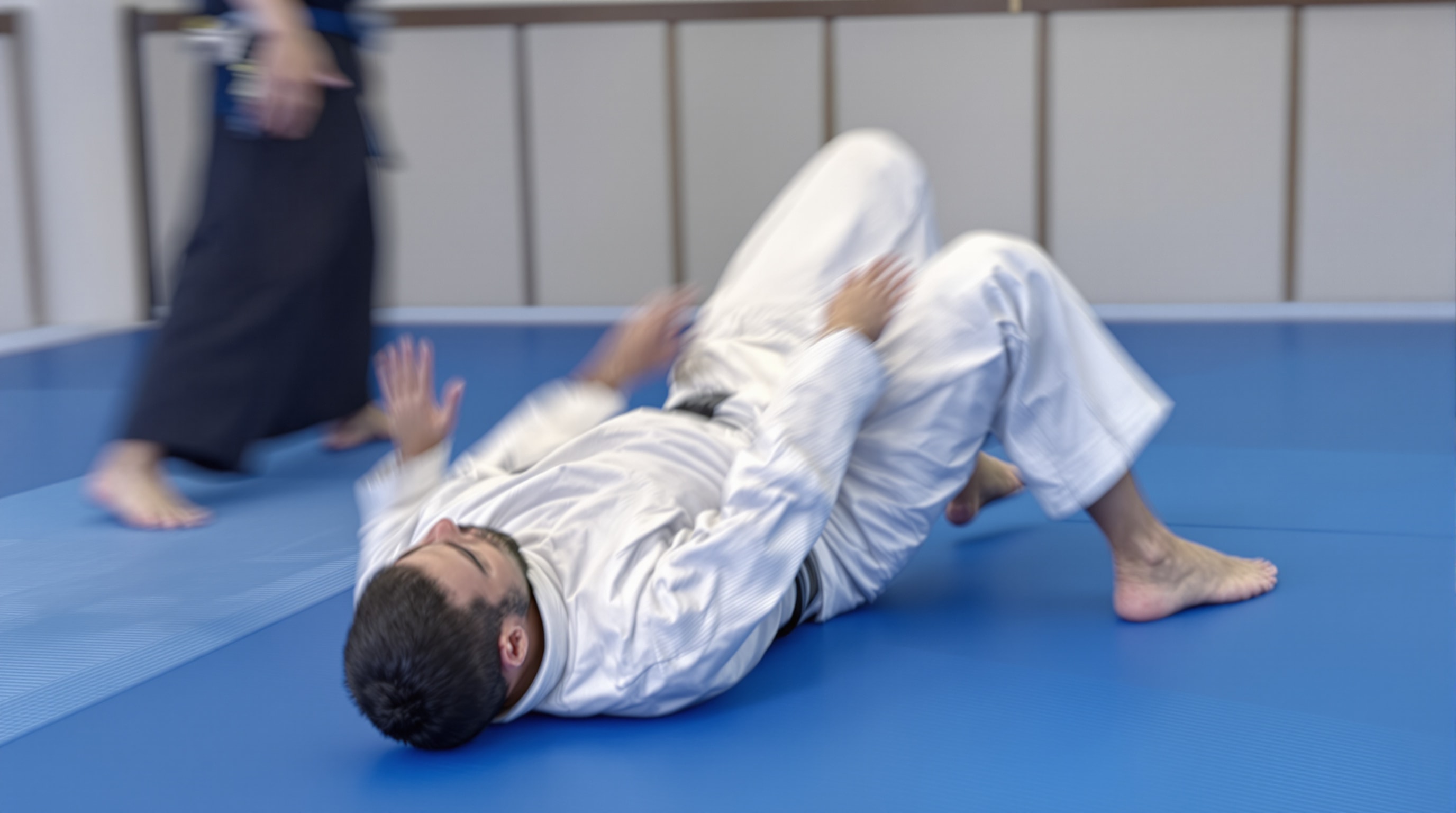
Most first classes are gentler than people fear. You will watch as much as you do, learn to bow and to sit, and spend time on rolling and falling (ukemi) before attempting any technique. Partners are cooperative, and a senior student or the instructor will usually guide a beginner by hand. Expect to feel clumsy; everyone did at first, and the feeling passes. Aikido rewards patience over athleticism.
What to wear
For a first visit, loose, modest exercise clothing with no zippers or buttons is fine — sweatpants and a plain long-sleeved top. If you continue, you will want a gi, the white cotton training uniform used across Japanese martial arts; a judo-weight gi is common because aikido involves grabbing. You will also learn to tie the belt and, later, to fold the hakama. Train in bare feet, and bring sandals for walking off the mat.
Staying safe as a beginner
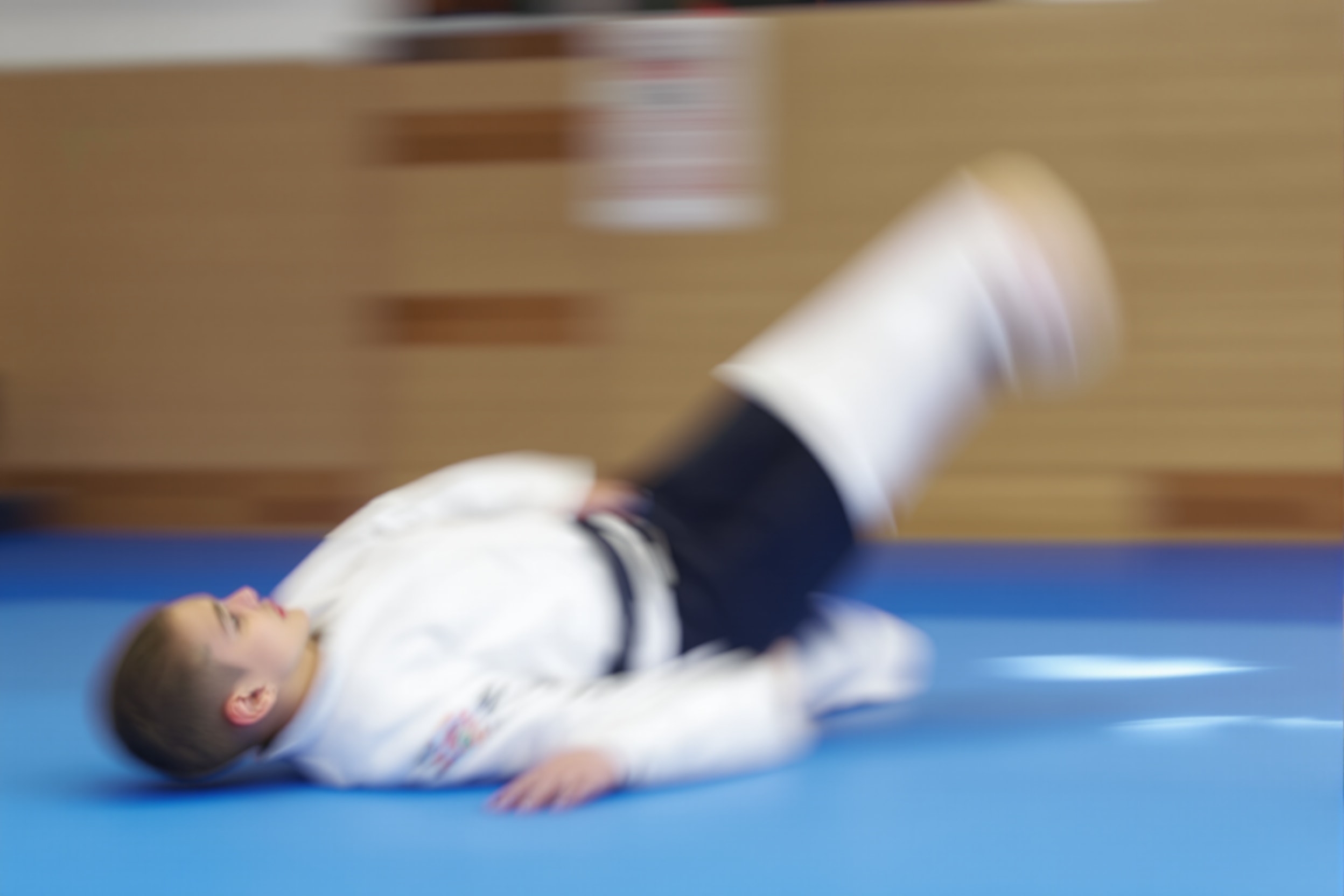
- Learn to fall first, and never rush a roll you are not ready for.
- Tap early and clearly when a lock or pin becomes uncomfortable — your partner will release at once.
- Tell your instructor about injuries or limitations before class, not after.
- Progress at your own pace; there is no reward for forcing a technique or a fall.
- Remove jewelry and keep nails trimmed, for your partner’s sake as much as your own.
When an ache lingers
Ukemi is repetitive by design, and wrist, elbow, and shoulder locks work the same joints every week. Ordinary next-day soreness settles; one that lingers for weeks, or changes how you roll, is worth having assessed, not trained through. The National Institute on Aging makes the case for staying active across a lifetime, and the ACE exercise library covers the supporting work that sustains it. Aikido is practiced worldwide; a student in the Phoenix metro might arrange joint pain consultations in Chandler with QC Kinetix (qckinetix.com), which sees people there about ongoing joint pain.
Choosing a school
Aikido has several lineages and a range of styles, from soft and flowing to firm and martial, so it is worth watching a class or two before committing. Look for a clean, well-run space; instruction that keeps beginners safe; and a friendly atmosphere where questions are welcome. Trust how a place feels as much as its reputation. General directories and background are available through bodies such as the Aikikai Foundation and the International Aikido Federation, which can point you toward recognized member schools in many countries.
Common questions
Is aikido effective for self-defense?
Aikido teaches sound principles of distance, timing, and control, and its awareness training has real value. Like any art, its practical usefulness depends on how, and how hard, you train. It is best approached as a lifelong practice for body and character rather than a quick self-defense course.
Do I need to be fit or flexible to start?
No. People begin aikido at many ages and fitness levels. You will grow more supple and coordinated through practice; you do not need to arrive that way. Read the etiquette page before your first visit so the customs feel familiar, and you will be ready to step on the mat.
General guidance only. Always train under qualified, in-person instruction. Independent educational resource; not affiliated with any dojo or individual.